
Buy Genuine Honda CR-V Air Filter Online
Honda CR-V Air Filter Guide: Location, Size, and Replacement
This guide explains the engine air filter for the Honda CR-V. Filter type, size, and housing can change with model year, generation, and engine. The cabin air filter, which cleans air for the passenger area, is a different part and not included here. Check the exact engine air filter needed for your CR-V before buying.
The engine air filter in a Honda CR-V keeps dust, dirt, pollen, and debris out of the intake system and combustion chambers. Clean air helps the engine mix fuel correctly, run efficiently, and protects internal parts from wear. If the filter is clogged or damaged, airflow drops, performance suffers, and contaminants can reach the engine.
To choose the right replacement air filter for a Honda CR-V, match the filter to the engine and generation in your vehicle. CR-Vs have used different engines over the years, and each may need a specific filter shape, size, or housing.
Quick Answer: What Air Filter Does a Honda CR-V Need?
The right engine air filter for a Honda CR-V depends on the model year and engine. CR-Vs have come with both naturally aspirated and turbocharged four-cylinder engines, and filter size changes with each combination. Most use a flat, panel-style filter inside a plastic airbox.
Do not choose a filter just by rough measurements. An undersized filter can let unfiltered air slip past the edges. An oversized filter will not fit the housing correctly.
Use your VIN or the part number from your current filter to confirm the right replacement. A Honda parts department can help verify the genuine filter for your CR-V’s engine.
Where Is the Air Filter on a Honda CR-V?
The engine air filter sits inside the airbox, usually on one side of the engine compartment. On most CR-Vs, the airbox is near the front of the engine bay and can be reached from above after opening the hood.
Metal clips usually hold the airbox cover in place. Release the clips to lift the cover and access the panel filter inside. On some models, you may need to loosen the intake duct to open the cover fully.
Do not force the airbox cover. If it does not lift easily after releasing the clips, check for an additional screw, a connected hose, or a sensor wire that may be restricting movement. Cracking the housing creates an unfiltered air path into the engine.
Common Honda CR-V Air Filter Problems
Air filter problems usually build up slowly as the filter collects dirt over time. Sudden issues can happen if the filter is torn, installed wrong, or gets wet.
Reduced Acceleration
A clogged filter limits air to the engine, which can make throttle response sluggish and lower power.
Lower Fuel Economy
If airflow drops, the engine may change the fuel mixture to compensate, which can use more fuel.
Rough Idle
A badly clogged filter can upset the steady air supply the engine needs to idle smoothly.
Check Engine Light
A very restricted or damaged filter can cause the mass airflow sensor to read incorrectly and set a diagnostic code.
Unusual Intake Noise
If you hear whistling or hissing from the airbox during acceleration, check for a torn filter, a loose seal, or a disconnected duct.
Visible Contamination
If the filter looks dark, clogged with debris, or has oil stains, it is time to replace it.
These symptoms can also come from other intake or engine problems, such as a bad mass airflow sensor, a vacuum leak, or a throttle body issue. Check the air filter first because it is easy and inexpensive to inspect.
Honda CR-V Air Filter Size and Fitment
Air filter specs for a Honda CR-V change with engine and generation. Filters from different years may have different sizes, pleat counts, depths, or sealing edge shapes.
Confirm the Following Before Purchasing
- Model year, generation, and VIN
- Engine displacement and type
- Filter element shape and outer dimensions
- Sealing edge design
- Filter media type
- Honda part number or verified cross-reference
The genuine filter balances airflow and filtration for your engine. Aftermarket filters should match the OE size and filtration specs. Some high-flow aftermarket filters can affect mass airflow sensor readings.
When Honda CR-V Air Filter Replacement Is Needed
Change the air filter as often as the Honda maintenance schedule recommends. Many CR-Vs use the Maintenance Minder system, which shows a service code when the air filter is due. The exact code can vary by model year.
Do not wait much longer than the recommended interval, especially if you drive in dusty or polluted areas. A filter can look clean on the surface but still be clogged deeper inside.
Driving on gravel roads, in construction zones, through heavy pollen, or in sandy or polluted areas can shorten the air filter’s life. Check the filter more often if your CR-V sees these conditions regularly.
How to Replace a Honda CR-V Air Filter
Replacing the engine air filter on a Honda CR-V is a simple job and usually does not need tools. The steps below are a general guide. Airbox design and clip style can change by model year and engine, so check your Honda service info for details.
- Open the hood and locate the airbox assembly in the engine compartment.
- Release the clips securing the airbox cover. Most CR-V models use two to four metal spring clips along the edges of the housing.
- Lift the airbox cover and hold it open or set it aside. Do not disconnect hoses or wiring unless you have to.
- Remove the old air filter from the lower housing.
- Inspect the inside of the airbox for leaves, dirt, insects, or moisture, and clean it out if needed.
- Install the new filter in the same direction as the old one. Make sure the sealing edges sit flat against the housing walls.
- Close the airbox cover and snap all clips back into the locked position.
- Check that the cover is sealed all the way around with no gaps or crooked edges.
Safety Warning: Do not run the engine with the air filter removed. Even brief exposure to unfiltered air can introduce debris into the intake tract and mass airflow sensor.
Cabin Air Filter vs. Engine Air Filter
The Honda CR-V uses two different air filters. The engine air filter, explained here, cleans air for the engine. The cabin air filter cleans air for the passenger area through the HVAC system.
These filters use different elements, are in different spots, and have separate replacement schedules. They are not interchangeable. When ordering, check if you need the engine air filter, the cabin air filter, or both. Many people mix them up when searching by vehicle name instead of part number.
Frequently Asked Questions
How often should I change the air filter on a Honda CR-V?
Use the Maintenance Minder system or your owner’s manual to find the right interval. The timing changes with model year and driving habits. Check the filter at every service and replace it early if it looks dirty or damaged.
Can a dirty air filter cause a check engine light?
Yes, in some cases. A badly clogged or torn filter can make the mass airflow sensor read outside normal limits and set a code. Change the filter before moving on to more complex diagnostics.
Is there a difference between OEM and aftermarket air filters?
Genuine Honda filters match the exact size, sealing, and filtration standard for your CR-V’s engine. Aftermarket filters can differ in quality, fit, and filtration. Always check that any aftermarket filter matches OE specs.
Can I Clean and Reuse the Factory Air Filter?
The factory air filter is meant to be replaced, not cleaned and reused. Blowing it out with air only removes surface dirt and can damage the filter. Install a new filter at the recommended interval.
Confirm Fitment Before Replacing the Air Filter
Start every Honda CR-V air filter replacement by confirming the model year, VIN, engine type, and filter size. Install the filter in the right direction, make sure the airbox is sealed, and follow the recommended change interval. Correct fitment and timely replacement keep your engine running well and protect it from dirt.


Air Filter

Air Filter
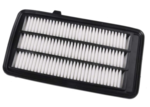
Air Filter


Air Cleaner Bracket


No results found for "air filter". Here are some helpful search tips:
- Search by a part name. Example: water pump.
- Be less specific. Example: brake instead of ceramic brake.
- Remove information such as make, year or model.
- Can't find the part you are looking for? Contact us and we'll find it for you!